

Elisa: Ciao Paolo e benvenuto!
Elisa: Hello Paolo and welcome!
Paolo: Ciao Elisa! Ciao a tutti i nostri ascoltatori.
Paolo: Hi Elisa! Hello to all our listeners.
Elisa: Benvenuti a una nuova puntata di Italiano Dinamico Podcast.
Elisa: Welcome to a new episode of the Dynamic Italian Podcast.
Paolo: Come stai oggi, Elisa?
Paolo: How are you today, Elisa?
Elisa: Sto molto bene, grazie! E tu come stai?
Elisa: I’m very well, thank you! And how are you?
Paolo: Sto bene, ma sono un po’ stanco.
Paolo: I’m fine, but I’m a bit tired.
Elisa: Davvero? Che cosa hai fatto ieri sera?
Elisa: Really? What did you do last night?
Paolo: Ieri sera sono uscito con i miei amici.
Paolo: Last night I went out with my friends.
Elisa: Ah, che bello! Dove siete andati?
Elisa: Ah, how nice! Where did you go?
Paolo: Siamo andati a mangiare una pizza in centro.
Paolo: We went to eat a pizza downtown.
Elisa: Buona la pizza! Hai mangiato tanto?
Elisa: Pizza is good! Did you eat a lot?
Paolo: Sì, ho mangiato una pizza intera e un dolce.
Paolo: Yes, I ate a whole pizza and a dessert.
Elisa: Per questo oggi sei un po’ stanco!
Elisa: That’s why you are a bit tired today!
Paolo: Esatto. Ho dormito poco e ho mangiato troppo.
Paolo: Exactly. I slept little and ate too much.
Elisa: Ma oggi è un nuovo giorno, sei pronto?
Elisa: But today is a new day, are you ready?
Paolo: Certo, sono pronto. Di cosa parliamo oggi?
Paolo: Sure, I am ready. What are we talking about today?
Elisa: Oggi parliamo di un tema molto utile.
Elisa: Today we are talking about a very useful topic.
Paolo: Un tema importante per chi viaggia in Italia.
Paolo: An important topic for those traveling in Italy.
Elisa: Esatto. Parliamo della farmacia italiana.
Elisa: Exactly. We are talking about the Italian pharmacy.
Paolo: È vero, le farmacie italiane sono particolari.
Paolo: It’s true, Italian pharmacies are unique.
Elisa: Quando siamo in vacanza, possiamo avere problemi.
Elisa: When we are on vacation, we can have problems.
Paolo: A volte prendiamo freddo e ci ammaliamo.
Paolo: Sometimes we catch a cold and get sick.
Elisa: Oppure mangiamo troppo e abbiamo mal di pancia.
Elisa: Or we eat too much and have a stomachache.
Paolo: Quindi è importante sapere cosa dire in farmacia.
Paolo: So it’s important to know what to say in the pharmacy.
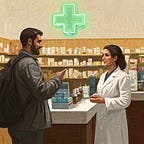
Elisa: La farmacia in Italia è facile da trovare.
Elisa: The pharmacy in Italy is easy to find.
Paolo: Sì, perché fuori c’è una grande croce verde.
Paolo: Yes, because outside there is a big green cross.
Elisa: Una croce verde luminosa. La vedi da lontano.
Elisa: A bright green cross. You see it from afar.
Paolo: Quando entri in farmacia, trovi il farmacista.
Paolo: When you enter the pharmacy, you find the pharmacist.
Elisa: Il farmacista è un professionista molto utile.
Elisa: The pharmacist is a very useful professional.
Paolo: In Italia, il farmacista dà molti consigli.
Paolo: In Italy, the pharmacist gives a lot of advice.
Elisa: Non devi per forza andare dal medico subito.
Elisa: You don’t necessarily have to go to the doctor immediately.
Paolo: Se hai un problema piccolo, chiedi al farmacista.
Paolo: If you have a small problem, ask the pharmacist.
Elisa: Esatto. Ma attenzione a una parola importante.
Elisa: Exactly. But pay attention to an important word.
Paolo: Quale parola, Elisa?
Paolo: Which word, Elisa?
Elisa: La parola è “ricetta medica”.
Elisa: The word is “ricetta medica” (medical prescription).
Paolo: Ah, sì! La ricetta non è per cucinare!
Paolo: Ah, yes! The “ricetta” is not for cooking!
Elisa: Esatto! Non parliamo di una ricetta per la torta.
Elisa: Exactly! We are not talking about a recipe for a cake.
Paolo: In medicina, la ricetta è il foglio del dottore.
Paolo: In medicine, the prescription is the doctor’s paper.
Elisa: Il dottore scrive quali medicine devi comprare.
Elisa: The doctor writes which medicines you need to buy.
Paolo: Se hai un’infezione forte, serve l’antibiotico.
Paolo: If you have a strong infection, you need an antibiotic.
Elisa: E per comprare l’antibiotico serve la ricetta medica.
Elisa: And to buy the antibiotic you need the medical prescription.
Paolo: Non puoi comprare l’antibiotico senza questo documento.
Paolo: You cannot buy the antibiotic without this document.
Elisa: Ma per fortuna ci sono altre medicine libere.
Elisa: But luckily there are other available medicines.
Paolo: Queste medicine si chiamano “farmaci da banco”.
Paolo: These medicines are called “farmaci da banco” (over-the-counter drugs).
Elisa: Un “banco” è il tavolo del negozio.
Elisa: A “banco” is the counter of the shop.
Paolo: Quindi i farmaci da banco sono facili da comprare.
Paolo: So over-the-counter drugs are easy to buy.
Elisa: Non serve la ricetta del dottore per questi.
Elisa: You don’t need a doctor’s prescription for these.
Paolo: Ad esempio, se ho mal di testa, cosa compro?
Paolo: For example, if I have a headache, what do I buy?
Elisa: Puoi comprare un antidolorifico, senza ricetta.
Elisa: You can buy a painkiller, without a prescription.
Paolo: E se ho la febbre o il raffreddore?
Paolo: And if I have a fever or a cold?
Elisa: Puoi comprare un farmaco per abbassare la febbre.
Elisa: You can buy a drug to lower the fever.
Paolo: Impariamo alcune espressioni utili per i sintomi.
Paolo: Let’s learn some useful expressions for symptoms.
Elisa: Ottima idea! Paolo, tu come spieghi il raffreddore?
Elisa: Great idea! Paolo, how do you explain a cold?
Paolo: Io dico: “Buongiorno, ho il naso chiuso”.
Paolo: I say: “Good morning, I have a blocked nose”.
Elisa: “Avere il naso chiuso” è un’espressione perfetta.
Elisa: “Avere il naso chiuso” (to have a stuffy nose) is a perfect expression.
Paolo: Significa che non respiro bene dal naso.
Paolo: It means that I don’t breathe well from my nose.
Elisa: Un’altra espressione molto comune è “avere mal di...”.
Elisa: Another very common expression is “avere mal di...” (to have an ache in...).
Paolo: Usiamo “mal di” con molte parti del corpo.
Paolo: We use “mal di” with many body parts.
Elisa: Per esempio: ho mal di testa.
Elisa: For example: I have a headache.
Paolo: Oppure: ho mal di pancia, ho mal di gola.
Paolo: Or: I have a stomachache, I have a sore throat.
Elisa: E per la tosse? Come diciamo?
Elisa: And for a cough? How do we say it?
Paolo: Diciamo semplicemente: “Ho una tosse molto forte”.
Paolo: We simply say: “I have a very bad cough”.
Elisa: A volte il farmacista fa delle domande.
Elisa: Sometimes the pharmacist asks some questions.
Paolo: Il farmacista chiede: “Che sintomi ha?”.
Paolo: The pharmacist asks: “What symptoms do you have?”.
Elisa: Oppure chiede: “Da quanti giorni sta male?”.
Elisa: Or he asks: “How many days have you been sick?”.
Paolo: E tu devi spiegare bene la situazione.
Paolo: And you must explain the situation well.
Elisa: Poi il farmacista ti dà la medicina.
Elisa: Then the pharmacist gives you the medicine.
Paolo: E qui dobbiamo imparare altre parole importanti.
Paolo: And here we must learn other important words.
Elisa: Dobbiamo capire bene il dosaggio.
Elisa: We must clearly understand the dosage.
Paolo: Il dosaggio significa quante volte prendere la medicina.
Paolo: The dosage means how many times to take the medicine.
Elisa: Il farmacista ti spiega sempre come fare.
Elisa: The pharmacist always explains to you how to do it.
Paolo: Dice: “Prenda una compressa due volte al giorno”.
Paolo: He says: “Take one tablet twice a day”.
Elisa: Una compressa è una pillola solida.
Elisa: A tablet is a solid pill.
Paolo: Per i bambini, invece, usiamo spesso lo sciroppo.
Paolo: For children, instead, we often use syrup.
Elisa: Lo sciroppo è un liquido dolce per la tosse.
Elisa: Syrup is a sweet liquid for a cough.
Paolo: Il farmacista usa spesso due espressioni precise.
Paolo: The pharmacist often uses two precise expressions.
Elisa: Sì, parla del momento di prendere la medicina.
Elisa: Yes, he talks about the moment to take the medicine.
Paolo: Dice: “Da prendere a stomaco pieno”.
Paolo: He says: “To be taken on a full stomach”.
Elisa: “A stomaco pieno” è un modo di dire essenziale.
Elisa: “A stomaco pieno” is an essential idiom.
Paolo: Significa che devi mangiare prima di prendere la medicina.
Paolo: It means that you must eat before taking the medicine.
Elisa: Non devi mai prendere quella medicina senza mangiare.
Elisa: You must never take that medicine without eating.
Paolo: L’espressione contraria è “a stomaco vuoto”.
Paolo: The opposite expression is “a stomaco vuoto” (on an empty stomach).
Elisa: “A stomaco vuoto” significa prima di mangiare.
Elisa: “A stomaco vuoto” means before eating.
Paolo: O molte ore dopo aver mangiato.
Paolo: Or many hours after eating.
Elisa: Devi fare molta attenzione a queste istruzioni.
Elisa: You must pay close attention to these instructions.
Paolo: Un momento, Elisa. Prima ho usato una frase.
Paolo: One moment, Elisa. Earlier I used a sentence.
Elisa: Quale frase hai usato, Paolo?
Elisa: Which sentence did you use, Paolo?
Paolo: Ho detto: “A volte ci ammaliamo”.
Paolo: I said: “Sometimes we get sick”.
Elisa: È un’ottima osservazione grammaticale!
Elisa: It’s an excellent grammatical observation!
Paolo: Il verbo è “ammalarsi”. È un verbo riflessivo.
Paolo: The verb is “ammalarsi” (to get sick). It is a reflexive verb.
Elisa: Finisce con la sillaba “si”.
Elisa: It ends with the syllable “si”.
Paolo: Io mi ammalo, tu ti ammali, lui si ammala.
Paolo: I get sick, you get sick, he gets sick.
Elisa: Esatto. E come lo usiamo al passato prossimo?
Elisa: Exactly. And how do we use it in the past tense (passato prossimo)?
Paolo: Se voglio parlare di ieri, dico: “mi sono ammalato”.
Paolo: If I want to talk about yesterday, I say: “I got sick” (mi sono ammalato).
Elisa: Bravissimo. Usiamo sempre il verbo essere.
Elisa: Very good. We always use the verb to be (essere).
Paolo: Con i verbi riflessivi non usiamo mai il verbo avere.
Paolo: With reflexive verbs we never use the verb to have (avere).
Elisa: Non diciamo “mi ho ammalato”. È un grande errore.
Elisa: We don’t say “mi ho ammalato”. It is a big mistake.
Paolo: Diciamo sempre “mi sono ammalato”.
Paolo: We always say “mi sono ammalato”.
Elisa: Se parla una donna, cambia l’ultima lettera.
Elisa: If a woman speaks, the last letter changes.
Paolo: Giusto. Tu Elisa dici: “mi sono ammalata”.
Paolo: Right. You Elisa say: “mi sono ammalata”.
Elisa: Esatto, con la lettera “a” alla fine.
Elisa: Exactly, with the letter “a” at the end.
Paolo: Un altro esempio è il verbo “svegliarsi”.
Paolo: Another example is the verb “svegliarsi” (to wake up).
Elisa: Ieri mi sono svegliata con il mal di gola.
Elisa: Yesterday I woke up with a sore throat.
Paolo: Stamattina mi sono svegliato con il naso chiuso.
Paolo: This morning I woke up with a stuffy nose.
Elisa: Ricordate bene questa regola, amici ascoltatori.
Elisa: Remember this rule well, listener friends.
Paolo: I verbi riflessivi amano il verbo essere al passato.
Paolo: Reflexive verbs love the verb “to be” in the past tense.
Elisa: Adesso, Paolo, voglio farti una domanda personale.
Elisa: Now, Paolo, I want to ask you a personal question.
Paolo: Dimmi tutto, Elisa. Sono pronto.
Paolo: Tell me everything, Elisa. I’m ready.
Elisa: Hai mai avuto un’emergenza medica in viaggio?
Elisa: Have you ever had a medical emergency while traveling?
Paolo: Sì, mi è successa una cosa qualche anno fa.
Paolo: Yes, something happened to me a few years ago.
Elisa: Davvero? Raccontaci la tua storia.
Elisa: Really? Tell us your story.
Paolo: Tre anni fa sono andato a Firenze in inverno.
Paolo: Three years ago I went to Florence in the winter.
Elisa: Firenze in inverno è bellissima ma fa molto freddo.
Elisa: Florence in winter is beautiful but it is very cold.
Paolo: Esatto. Il primo giorno ha piovuto tutto il tempo.
Paolo: Exactly. The first day it rained the whole time.
Elisa: E tu avevi l’ombrello e i vestiti pesanti?
Elisa: And did you have an umbrella and warm clothes?
Paolo: Purtroppo no. Ho camminato per ore sotto la pioggia.
Paolo: Unfortunately no. I walked for hours in the rain.
Elisa: Oh no! Questo è molto pericoloso per la salute.
Elisa: Oh no! This is very dangerous for your health.
Paolo: Infatti. La sera sono tornato in albergo.
Paolo: Indeed. In the evening I went back to the hotel.
Elisa: Come ti sentivi quella sera?
Elisa: How did you feel that evening?
Paolo: Mi sono sentito molto stanco e avevo freddo.
Paolo: I felt very tired and I was cold.
Elisa: Sicuramente hai preso un brutto raffreddore.
Elisa: Surely you caught a bad cold.
Paolo: Peggio! La mattina dopo mi sono svegliato con la febbre.
Paolo: Worse! The next morning I woke up with a fever.
Elisa: Mamma mia, la febbre in vacanza è una tragedia!
Elisa: Oh my, a fever on vacation is a tragedy!
Paolo: Avevo trentotto e mezzo di febbre e un forte mal di gola.
Paolo: I had a fever of thirty-eight and a half (Celsius) and a bad sore throat.
Elisa: Cosa hai fatto? Sei andato subito in ospedale?
Elisa: What did you do? Did you go straight to the hospital?
Paolo: No, non era una cosa così grave per l’ospedale.
Paolo: No, it wasn’t something serious enough for the hospital.
Elisa: Hai chiesto aiuto in albergo?
Elisa: Did you ask for help at the hotel?
Paolo: Sì, ho chiesto alla ragazza della reception.
Paolo: Yes, I asked the girl at the reception.
Elisa: E lei ti ha dato una medicina?
Elisa: And did she give you some medicine?
Paolo: No, lei mi ha spiegato dove trovare una farmacia.
Paolo: No, she explained to me where to find a pharmacy.
Elisa: Era lontana la farmacia dal tuo albergo?
Elisa: Was the pharmacy far from your hotel?
Paolo: Per fortuna era molto vicina, solo cinque minuti a piedi.
Paolo: Luckily it was very close, only a five-minute walk.
Elisa: E hai trovato subito la farmacia?
Elisa: And did you find the pharmacy right away?
Paolo: Sì, ho visto la grande croce verde illuminata.
Paolo: Yes, I saw the big illuminated green cross.
Elisa: Perfetto. E cosa hai detto al farmacista?
Elisa: Perfect. And what did you say to the pharmacist?
Paolo: Ho detto: “Buongiorno, ho la febbre e molto mal di gola”.
Paolo: I said: “Good morning, I have a fever and a very sore throat”.
Elisa: Sei stato chiaro e diretto.
Elisa: You were clear and direct.
Paolo: Lui mi ha chiesto da quanto tempo stavo male.
Paolo: He asked me how long I had been sick.
Elisa: E tu hai risposto che stavi male da quella mattina.
Elisa: And you answered that you had been sick since that morning.
Paolo: Esatto. Lui è stato molto gentile e professionale.
Paolo: Exactly. He was very kind and professional.
Elisa: Ti ha dato un farmaco con la ricetta medica?
Elisa: Did he give you a drug with a medical prescription?
Paolo: No, non avevo la ricetta del mio dottore.
Paolo: No, I didn’t have my doctor’s prescription.
Elisa: Quindi ti ha dato dei farmaci da banco.
Elisa: So he gave you some over-the-counter drugs.
Paolo: Sì. Mi ha dato delle compresse per abbassare la febbre.
Paolo: Yes. He gave me some tablets to lower the fever.
Elisa: Ti ha dato anche qualcosa per il mal di gola?
Elisa: Did he also give you something for the sore throat?
Paolo: Sì, mi ha dato uno spray per la gola.
Paolo: Yes, he gave me a throat spray.
Elisa: Lo spray è molto utile e veloce da usare.
Elisa: The spray is very useful and fast to use.
Paolo: Il farmacista mi ha spiegato bene il dosaggio.
Paolo: The pharmacist clearly explained the dosage to me.
Elisa: Cosa ti ha detto esattamente?
Elisa: What did he say exactly?
Paolo: Mi ha detto di prendere due compresse al giorno.
Paolo: He told me to take two tablets a day.
Elisa: Una la mattina e una la sera, immagino.
Elisa: One in the morning and one in the evening, I imagine.
Paolo: Esatto. Ma ha fatto una raccomandazione molto importante.
Paolo: Exactly. But he made a very important recommendation.
Elisa: Ti ha detto di prenderle a stomaco pieno?
Elisa: Did he tell you to take them on a full stomach?
Paolo: Sì! Ha detto: “Mi raccomando, sempre a stomaco pieno”.
Paolo: Yes! He said: “Please make sure, always on a full stomach”.
Elisa: Le medicine per la febbre sono pesanti per lo stomaco.
Elisa: Fever medicines are heavy on the stomach.
Paolo: Così sono tornato in albergo e ho fatto colazione.
Paolo: So I went back to the hotel and had breakfast.
Elisa: Hai mangiato un bel cornetto e bevuto un cappuccino?
Elisa: Did you eat a nice croissant and drink a cappuccino?
Paolo: Solo un po’ di tè e dei biscotti, non avevo fame.
Paolo: Only a little tea and some cookies, I wasn’t hungry.
Elisa: E dopo la colazione hai preso la medicina.
Elisa: And after breakfast you took the medicine.
Paolo: Sì, ho preso la compressa e ho dormito tutto il giorno.
Paolo: Yes, I took the tablet and slept all day.
Elisa: E il giorno dopo, come stavi?
Elisa: And the next day, how were you?
Paolo: Il giorno dopo mi sono svegliato senza febbre!
Paolo: The next day I woke up without a fever!
Elisa: Che bella notizia! La vacanza era salva.
Elisa: What great news! The vacation was saved.
Paolo: Sì, ho potuto visitare i musei e godermi Firenze.
Paolo: Yes, I was able to visit the museums and enjoy Florence.
Elisa: Questa è davvero una storia a lieto fine.
Elisa: This is really a story with a happy ending.
Paolo: I farmacisti italiani sono sempre pronti ad aiutare.
Paolo: Italian pharmacists are always ready to help.
Elisa: Bene, spero che questa storia sia utile a tutti.
Elisa: Well, I hope this story is useful to everyone.
Paolo: Adesso però vediamo se i nostri ascoltatori sono attenti.
Paolo: But now let’s see if our listeners are attentive.
Elisa: È il momento del nostro gioco di ascolto attivo!
Elisa: It’s time for our active listening game!
Paolo: Facciamo tre domande sulla mia storia a Firenze.
Paolo: Let’s ask three questions about my story in Florence.
Elisa: Voi ascoltate bene e provate a rispondere a casa.
Elisa: You listen carefully and try to answer at home.
Paolo: Io farò una piccola pausa per farvi pensare.
Paolo: I will take a short pause to let you think.
Elisa: Domanda numero uno. Siete pronti?
Elisa: Question number one. Are you ready?
Paolo: Perché Paolo si è ammalato a Firenze?
Paolo: Why did Paolo get sick in Florence?
Elisa: Provate a rispondere ad alta voce...
Elisa: Try to answer out loud...
Paolo: La risposta è: perché ha camminato sotto la pioggia senza ombrello.
Paolo: The answer is: because he walked in the rain without an umbrella.
Elisa: Esatto. Ha preso molto freddo in giro per la città.
Elisa: Exactly. He got very cold going around the city.
Paolo: Passiamo alla domanda numero due.
Paolo: Let’s move on to question number two.
Elisa: Che tipo di medicine ha comprato Paolo in farmacia?
Elisa: What kind of medicines did Paolo buy in the pharmacy?
Paolo: Pensate bene alle parole che abbiamo imparato oggi...
Paolo: Think carefully about the words we learned today...
Elisa: Ha comprato dei farmaci da banco per febbre e mal di gola.
Elisa: He bought over-the-counter drugs for a fever and a sore throat.
Paolo: Giusto! Delle compresse e uno spray, senza ricetta medica.
Paolo: Right! Some tablets and a spray, without a medical prescription.
Elisa: Molto bene. Ora l’ultima domanda, la numero tre.
Elisa: Very well. Now the last question, number three.
Paolo: Come doveva prendere le compresse per la febbre?
Paolo: How was he supposed to take the tablets for the fever?
Elisa: Ricordate l’espressione importante usata dal farmacista...
Elisa: Remember the important expression used by the pharmacist...
Paolo: La risposta è: doveva prendere le compresse a stomaco pieno.
Paolo: The answer is: he had to take the tablets on a full stomach.
Elisa: Bravissimi se avete risposto correttamente a tutte le domande.
Elisa: Great job if you answered all the questions correctly.
Paolo: Questo esercizio serve a ricordare meglio le parole nuove.
Paolo: This exercise serves to remember the new words better.
Elisa: Ripetere e ascoltare è il segreto per imparare l’italiano.
Elisa: Repeating and listening is the secret to learning Italian.
Paolo: Siamo quasi alla fine della nostra puntata di oggi.
Paolo: We are almost at the end of our episode today.
Elisa: Facciamo un rapido riassunto delle espressioni più importanti.
Elisa: Let’s do a quick summary of the most important expressions.
Paolo: Oggi abbiamo imparato cinque concetti fondamentali in farmacia.
Paolo: Today we learned five fundamental concepts in the pharmacy.
Elisa: Numero uno: la ricetta medica.
Elisa: Number one: la ricetta medica (the medical prescription).
Paolo: È il documento del dottore per comprare farmaci speciali.
Paolo: It is the doctor’s document to buy special drugs.
Elisa: Numero due: i farmaci da banco.
Elisa: Number two: i farmaci da banco (over-the-counter drugs).
Paolo: Sono le medicine libere, senza bisogno della ricetta.
Paolo: They are free medicines, without the need for a prescription.
Elisa: Numero tre: avere il naso chiuso.
Elisa: Number three: avere il naso chiuso (to have a stuffy nose).
Paolo: Significa non riuscire a respirare bene per il raffreddore.
Paolo: It means not being able to breathe well due to a cold.
Elisa: Numero quattro: le compresse e lo sciroppo.
Elisa: Number four: le compresse e lo sciroppo (tablets and syrup).
Paolo: Le compresse sono pillole solide, lo sciroppo è liquido.
Paolo: Tablets are solid pills, syrup is liquid.
Elisa: Numero cinque: a stomaco pieno o vuoto.
Elisa: Number five: a stomaco pieno o vuoto (on a full or empty stomach).
Paolo: Significa prendere le medicine dopo o prima di mangiare.
Paolo: It means taking medicines after or before eating.
Elisa: Vi consigliamo di scrivere queste parole sul vostro quaderno.
Elisa: We advise you to write these words in your notebook.
Paolo: E di usarle per fare pratica a casa.
Paolo: And to use them to practice at home.
Elisa: Prima di salutarci, abbiamo la nostra “Domanda del giorno”.
Elisa: Before saying goodbye, we have our “Question of the day”.
Paolo: Vogliamo leggere i vostri commenti sotto questo video.
Paolo: We want to read your comments under this video.
Elisa: La domanda di oggi per voi è questa.
Elisa: Today’s question for you is this.
Paolo: Qual è la medicina che portate sempre in viaggio con voi?
Paolo: What is the medicine you always bring with you on a trip?
Elisa: Siete persone che portano un’intera farmacia in valigia?
Elisa: Are you people who bring an entire pharmacy in your suitcase?
Paolo: O viaggiate leggeri e comprate tutto se serve?
Paolo: Or do you travel light and buy everything if needed?
Elisa: Scrivete la vostra risposta nei commenti qui sotto.
Elisa: Write your answer in the comments below.
Paolo: Noi leggiamo tutti i vostri messaggi con grande piacere.
Paolo: We read all your messages with great pleasure.
Elisa: E se il podcast vi piace, lasciate un bel “Mi piace”.
Elisa: And if you like the podcast, leave a nice “Like”.
Paolo: Iscrivetevi al canale per non perdere i prossimi episodi.
Paolo: Subscribe to the channel so you don’t miss the next episodes.
Elisa: Grazie a tutti per aver studiato l’italiano con noi oggi.
Elisa: Thank you all for studying Italian with us today.
Paolo: Vi auguriamo tanta salute e niente visite in farmacia!
Paolo: We wish you great health and no visits to the pharmacy!
Elisa: Ci vediamo la prossima settimana con un nuovo tema.
Elisa: See you next week with a new topic.
Paolo: Ciao a tutti e buono studio dell’italiano!
Paolo: Bye everyone and happy Italian studying!
Elisa: Ciao! A presto!
Elisa: Bye! See you soon!


